Dhaka Teen Inventors Stun Global Summit with $35 Neuro-Adaptive Bionic Hand
Using 3D-printed biodegradable resins and open-source EMG signal decoders, the young innovators bring affordable prosthetics within reach of millions.
Executive Briefing
A three-member student robotics squad from Dhaka has swept top honors at the Global Bio-Engineering Expo, unveiling a responsive myoelectric prosthesis produced for under $35.
DHAKA — A trio of seventeen-year-old student engineers from Dhaka has captured international acclaim and venture grants after developing a fully functioning neuro-adaptive prosthetic arm constructed for less than thirty-five dollars.
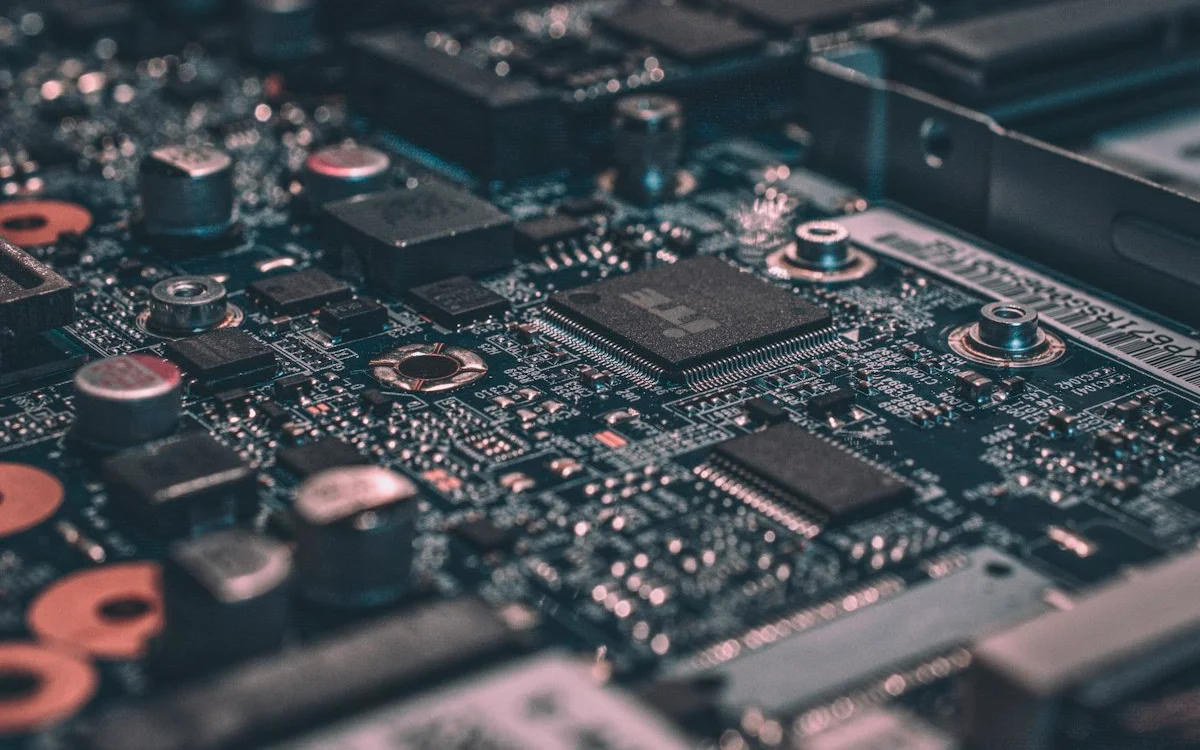
Presented before biomedical executives at the Global Assistive Tech Summit, the prosthesis employs surface electromyography sensors to detect micro-muscle flexes in residual limbs, mapping them into precise finger articulation through an onboard neural microcontroller.
"In low-income nations, conventional robotic prosthetics costing upwards of twenty thousand dollars are impossible for working families to obtain," said team captain Tanvir Ahmed. "We designed our arm using recycled PET polymers and accessible microchips so anyone with a 3D printer can build one."
International health non-profits have pledged immediate funding to initiate field trials for 500 amputees across South Asia and Sub-Saharan Africa beginning next month.
Video Dispatch

Dispatch Photo Gallery


Senior Technology Editor specializing in artificial intelligence and media innovation.
Related Coverage